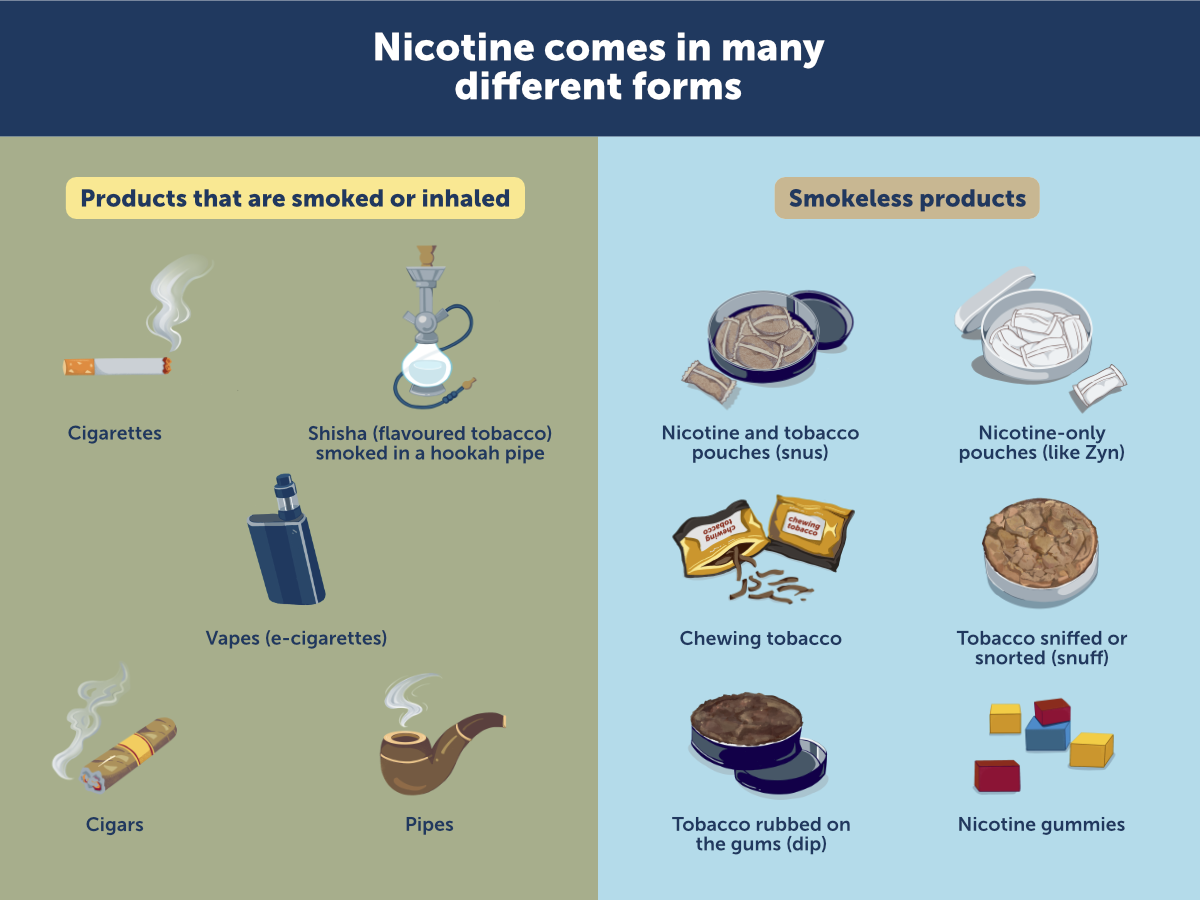
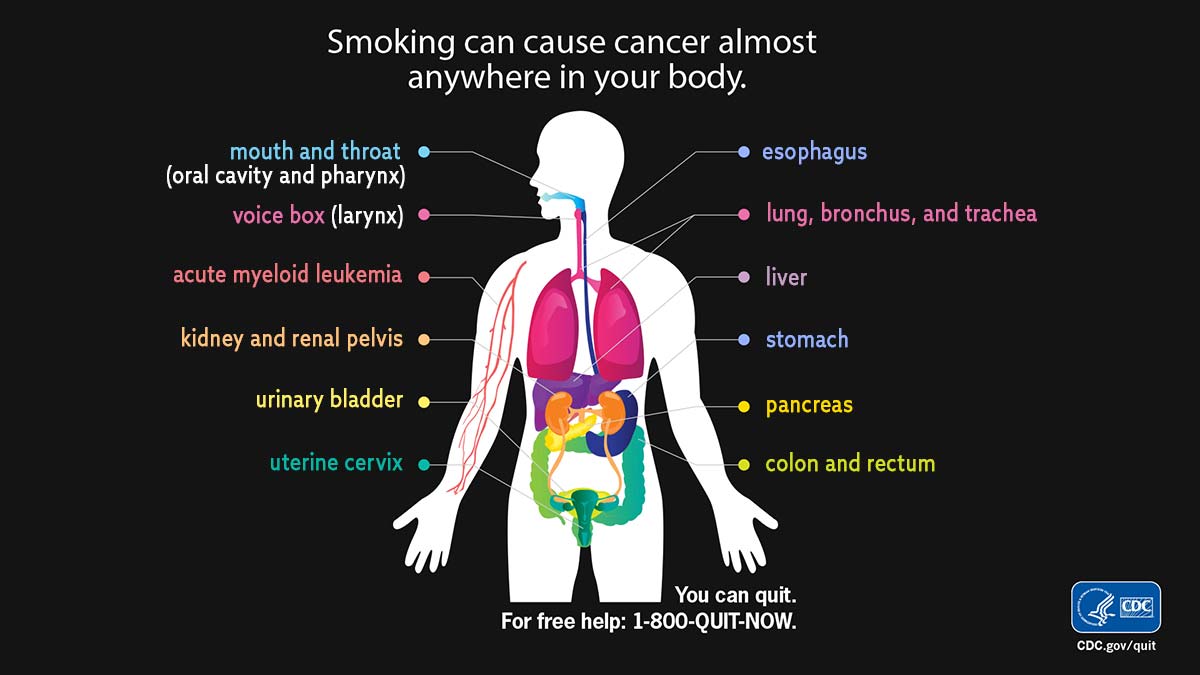
The primary harmful components include: Nicotine: A highly addictive substance that affects brain chemistry Carbon monoxide: Reduces oxygen-carrying capacity of blood Tar: Damages lung tissue and causes respiratory problems Heavy metals: Lead to cellular damage and various health complications Common Health Complications from Smoking Smoking affects virtually every organ system in the body, leading to: Respiratory: COPD, lung cancer, chronic bronchitis Cardiovascular: Heart disease, hypertension, stroke Gastrointestinal: Increased risk of various cancers Reproductive: Infertility, pregnancy complications Skeletal: Osteoporosis, delayed healing Neurological: Increased risk of dementia Immune system: Compromised immune response Skin: Premature aging, delayed wound healing Nursing Process in Smoking Cessation The nursing process for smoking cessation involves: Assessment: Evaluate smoking history, addiction level, and readiness to quit Diagnosis: Identify relevant nursing diagnoses Planning: Develop appropriate interventions and care plans Implementation: Execute interventions and provide support Evaluation: Monitor progress and adjust care plans as needed Comprehensive Nursing Care Plans Nursing Care Plan 1
Issue 24, however, diverges from this collaborative pathway, projecting a misguided representation of affordable housing while subtly integrating an unanticipated tax burden
Dry items outdoors, if possible
Parkour Ride is open to male and female riders on all kinds of bikes including BMX, mountain bike and road bike (including fixed gear/single speed)