Any exercise requiring hip stability may inadvertently engage the adductors
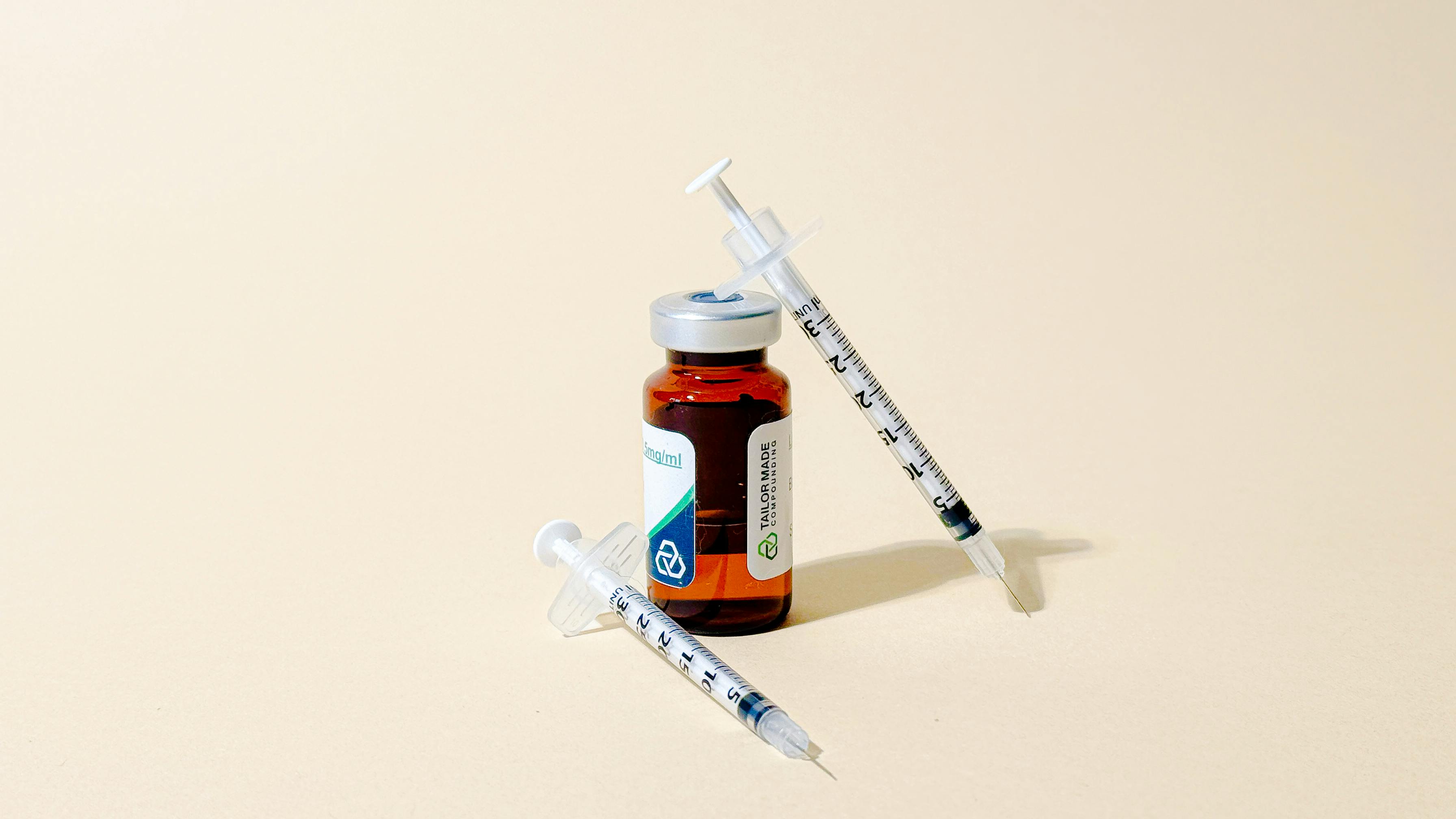
Long arginine 3-IGF-1, abbreviated as IGF-1 LR3 or LR3-IGF-1, is a synthetic protein and lengthened analogue of human insulin-like growth factor 1 (IGF-1).[1][2] It differs from native IGF-1 in that it possesses an arginine instead of a glutamic acid at the third position in its amino acid sequence (arginine 3), and also has an additional 13 amino acids at its N-terminus (MFPAMPLLSLFVN) (long), for a total of 83 amino acids (relative to the 70 of IGF-1).[2] The consequences of these modifications are that IGF-1 LR3 retains the pharmacological activity of IGF-1 as an agonist of the IGF-1 receptor, has very low affinity for the insulin-like growth factor-binding proteins (IGFBPs), and has improved metabolic stability.[1][2] As a result, it is approximately three times more potent than IGF-1,[3] and possesses a significantly longer half-life of about 2030 hours (relative to IGF-1s half-life of about 1215 hours).[4] IGF-1 LR3 Peptide is under active investigation in a number of cell culture and animal models
They were tested using Flow Cytometry Services from RayBiotech (Corners, GA) for the following surface markers: CD20 , CD34 , CD45 , HLA-DR , DC73 + , CD90 + , CD105 + , CD166 +
One in ten American adults is now living with some degree of CKD, and kidney disease is the ninth leading cause of death in the United States (NKUDIC 2012