PCoAs were generated using the distance matrices from unweighted (Fig
Each COA reports results from third-party laboratory analysis, including: High-performance liquid chromatography (HPLC) for purity, typically confirmed at 99% or higher Liquid chromatography mass spectrometry (LC-MS) for molecular identity and mass confirmation Sterility and endotoxin screening where applicable Chemical contaminant and residual solvent checks COAs are sourced from independent certified labs rather than in-house testing alone, giving researchers a verifiable record of molecular integrity for each batch
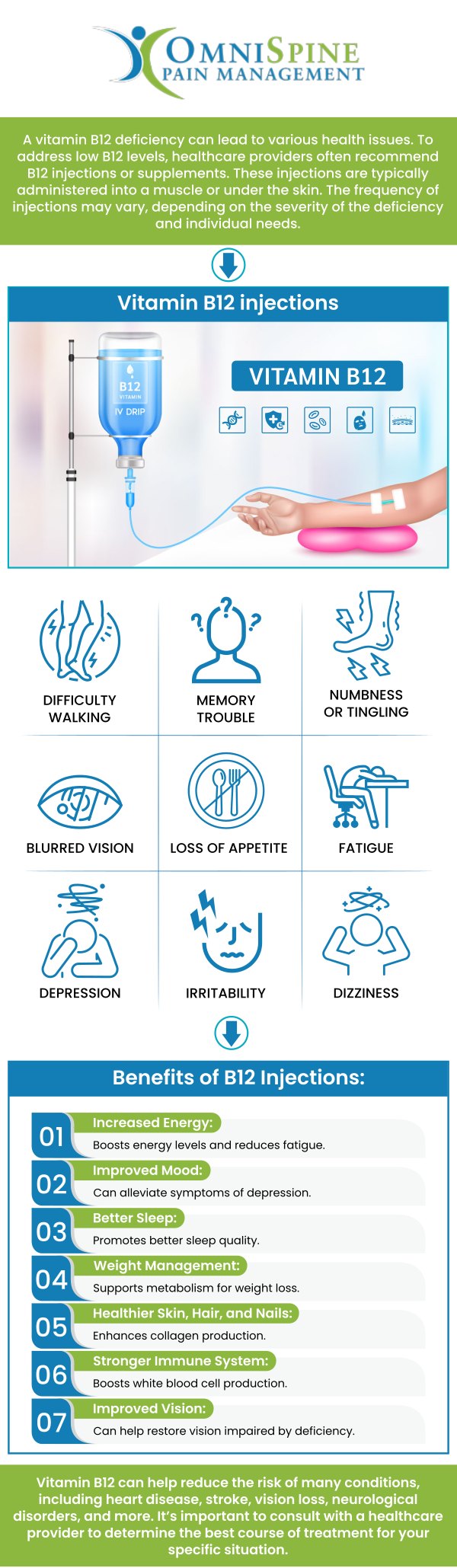
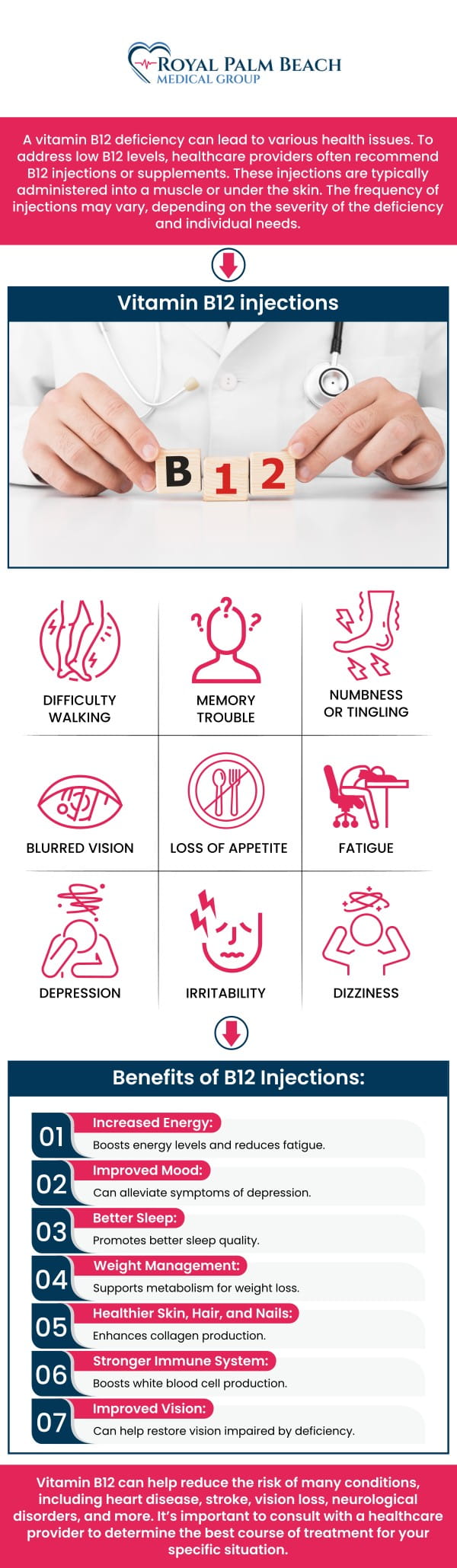
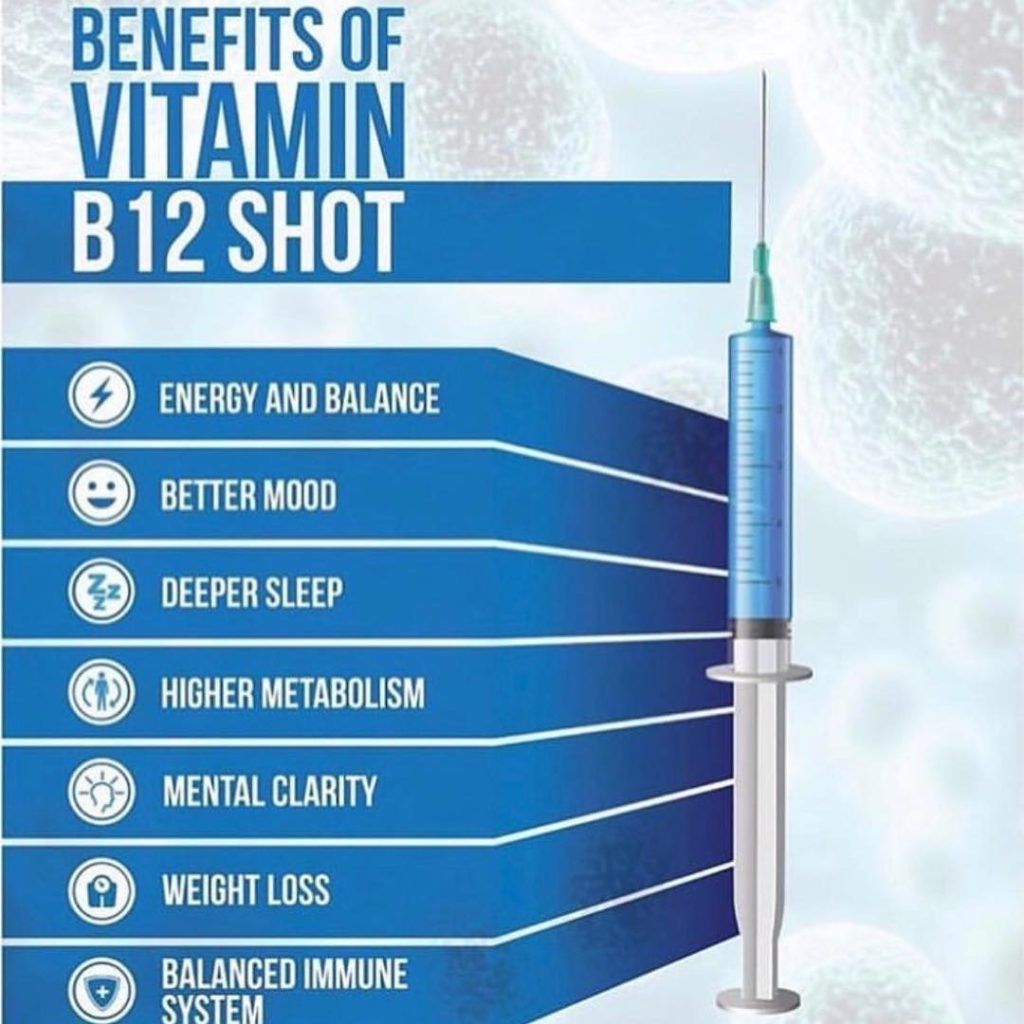
However, many people need to supplement with vitamins for a variety of reasons

Based on the clinical evidence and the patient profiles where the compound appears most applicable, the following characteristics tend to describe good candidates for AOD 9604 evaluation when it is medically supervised: Patients with stubborn localized fat deposits that have not responded to diet and exercise, particularly visceral and lower abdominal fat Patients who cannot tolerate GLP-1 medications due to nausea, gastrointestinal side effects, or contraindications Active patients with reasonable baseline metabolic health who want a targeted lipolytic tool to complement their training and nutrition program Patients already on a peptide protocol who want to add a fat-targeting element to a GHK-Cu, NAD+, or sermorelin stack Patients who are not candidates for stimulant-based fat loss medications due to cardiovascular sensitivity, anxiety, or blood pressure concerns AOD 9604 is not appropriate as a standalone weight loss strategy for patients with significant obesity, insulin resistance, or metabolic syndrome